Overview
What is Game Prototype 2?
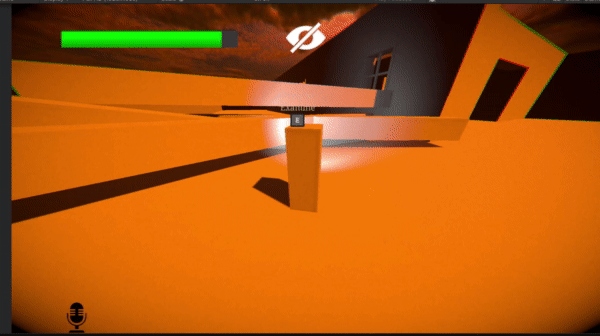
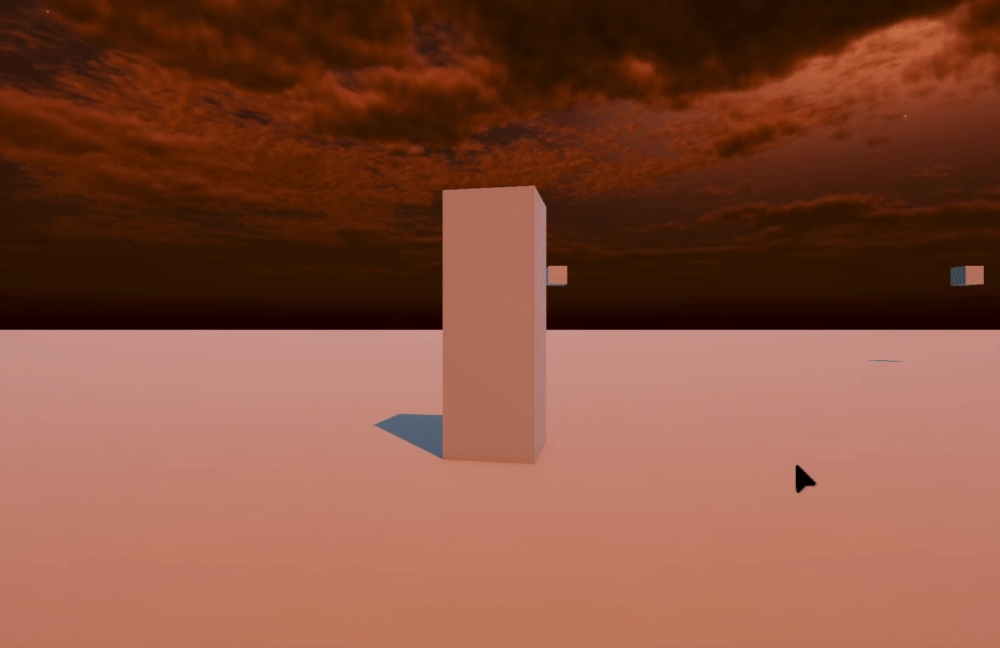
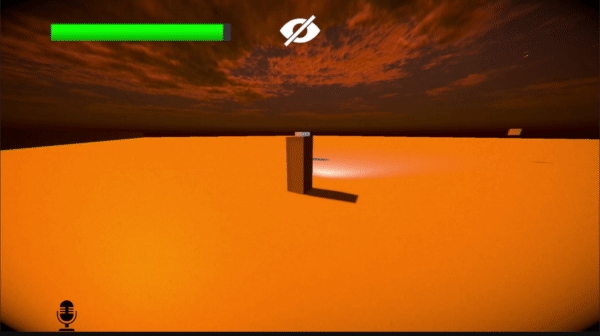
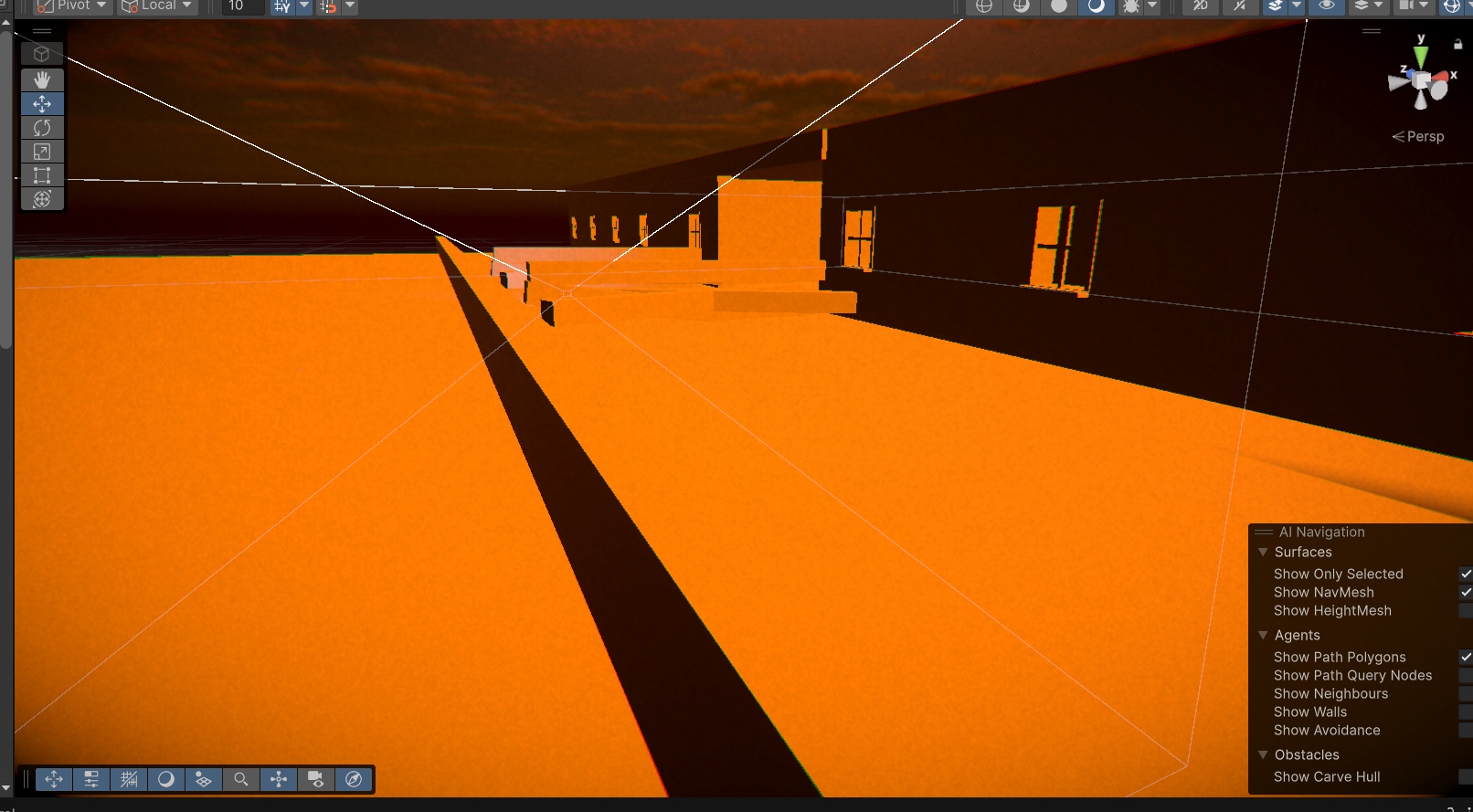
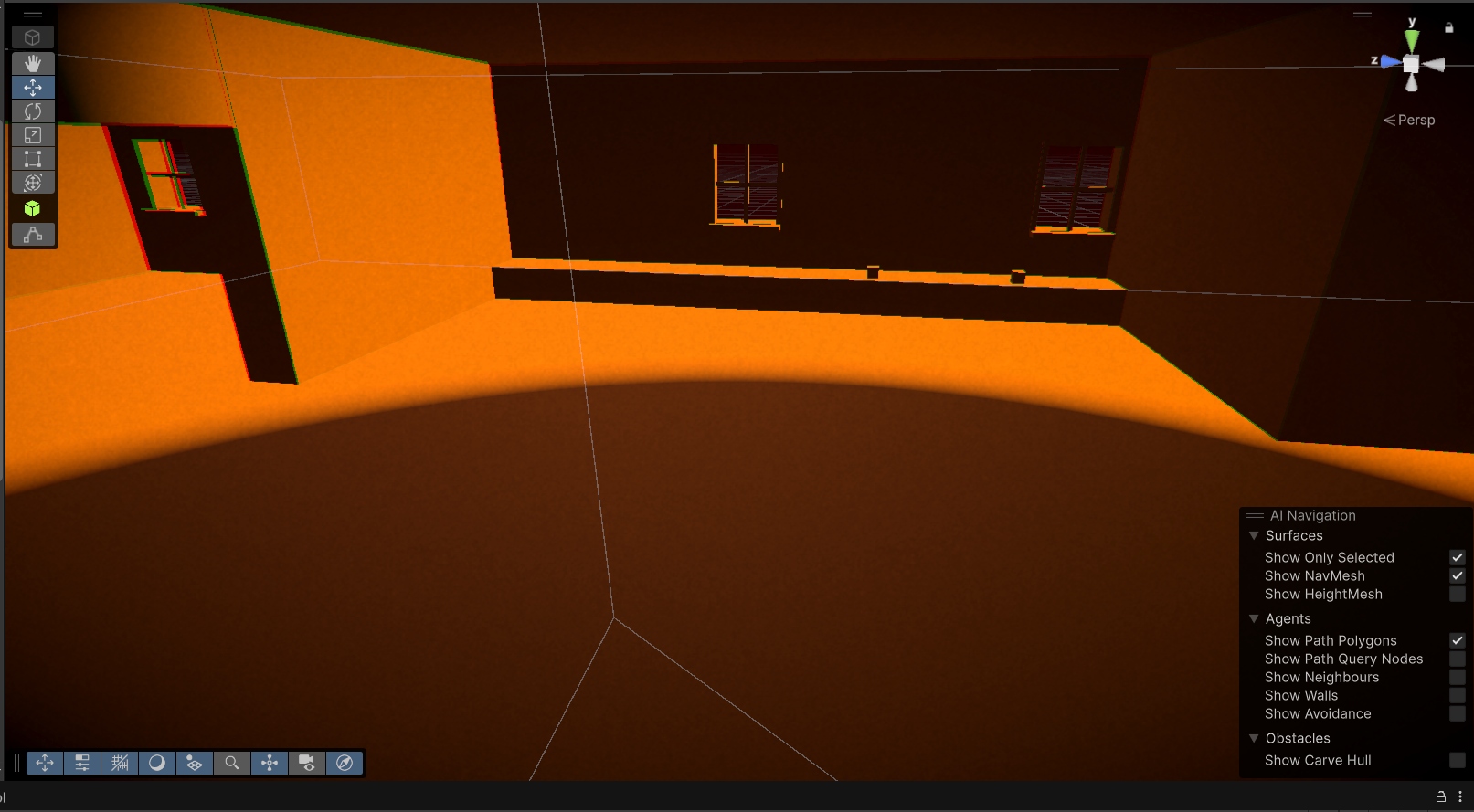
// Fallowmere — outdoor quarantine zone at dusk
Game Prototype 2 — Fallowmere — is a solo survival-horror prototype built for GDEV40010 Game Prototyping at Staffordshire University (Level 4, 2024/25). The brief had a single narrative constraint: tell the entire story through the environment. No cutscenes, no explicit text — the world is the narrator.
Fallowmere is a quarantined small town under the iron grip of Vitae Industries, a biotech corporation. A mysterious cult — The Order of Genesis — operates in the shadows. The player is infected, holed up in an abandoned building, and must escape without losing their mind — a literal mechanic, not just a metaphor. A relentless stalker AI hunts them by sound, the microphone becomes a weapon against the player, and the only way out is through a keypad puzzle and a voice-based final challenge: say "I am not infected" to unlock the exit.
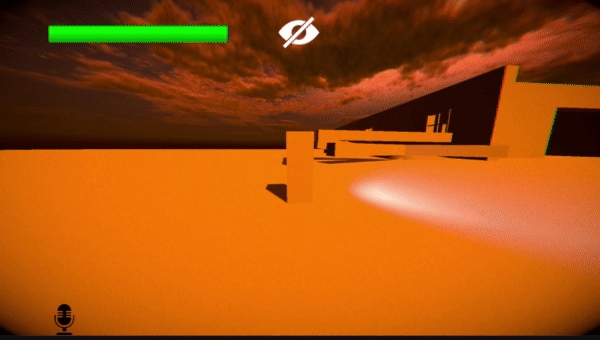
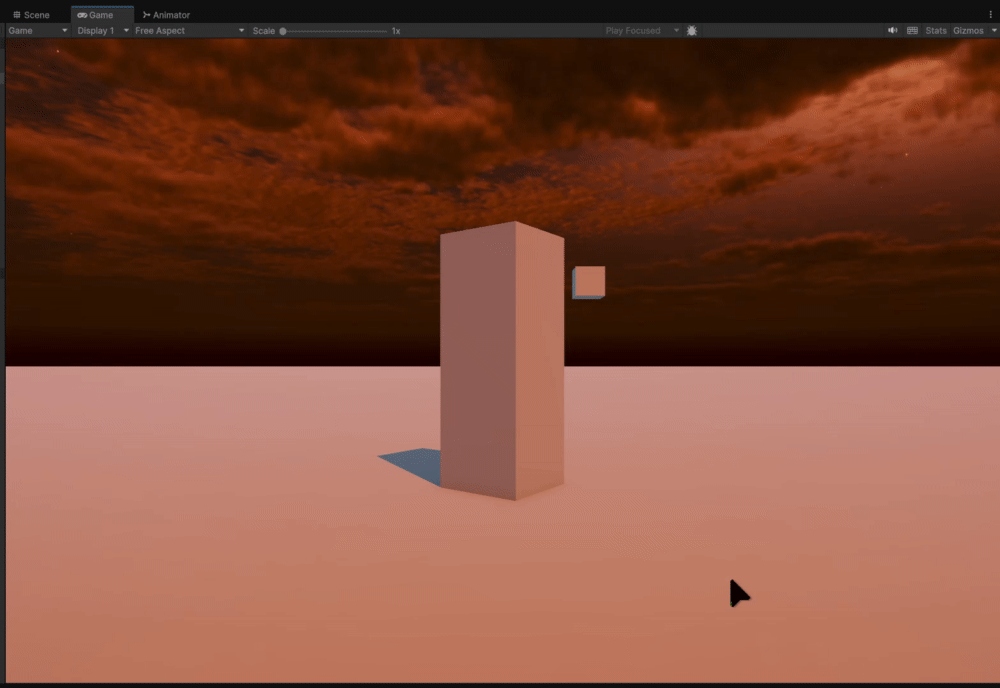
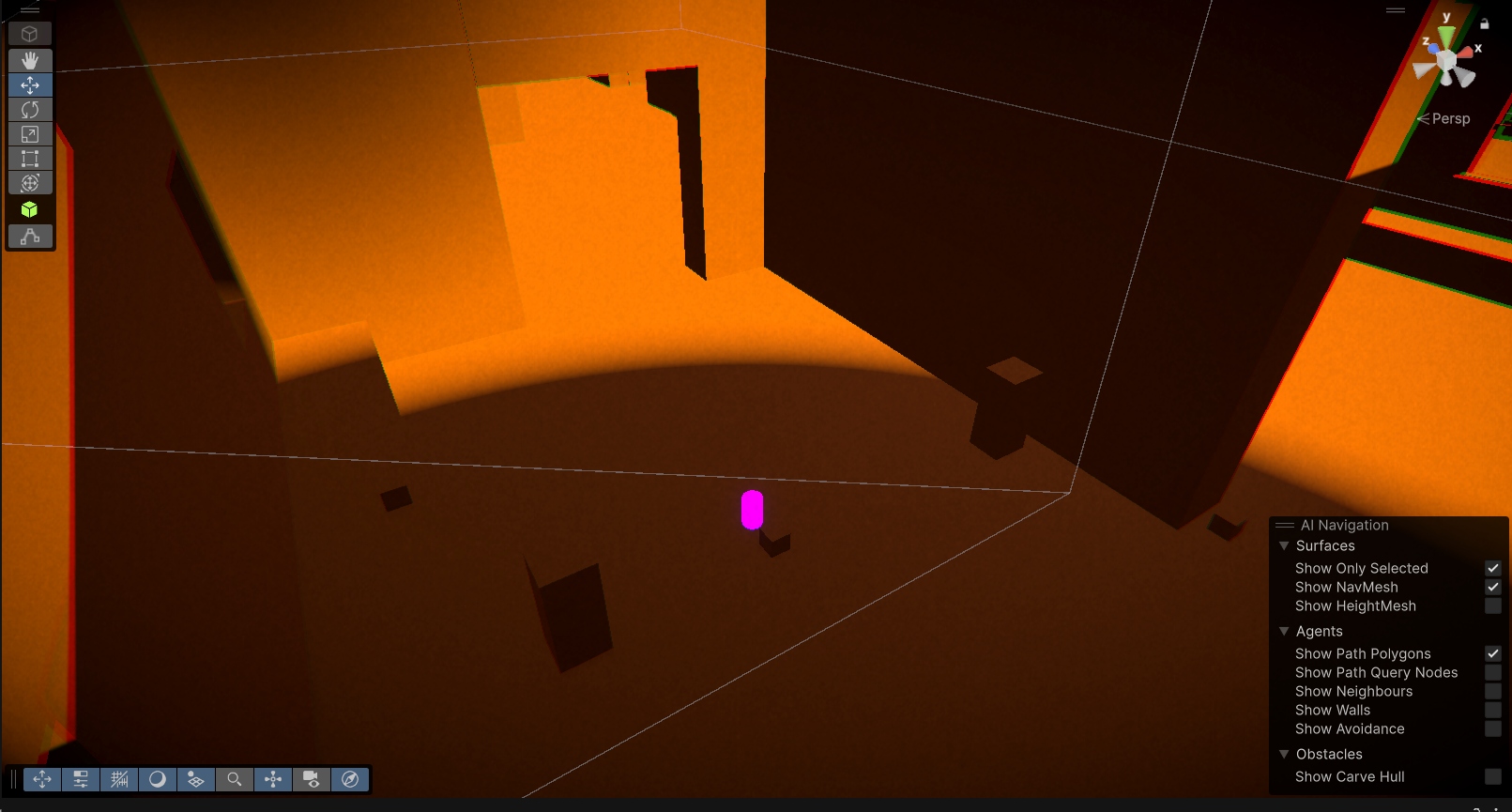
The visual world is entirely abstract — orange and amber geometry, dark brown buildings, dramatic dark red-orange cloudy skybox, and no textures. Atmosphere is created entirely through form, lighting, and sound.
- Awarded 84% — First Class for the module
- Offline voice recognition via Vosk — 16000Hz mic capture, RMS level, Levenshtein fuzzy matching, no internet or API key required
- Voice puzzle finale — player must speak "I am not infected" to unlock the exit after solving the keypad
- Live microphone danger — real-world sounds above threshold alert the stalker within 40m; the mic meter is visible on HUD at all times
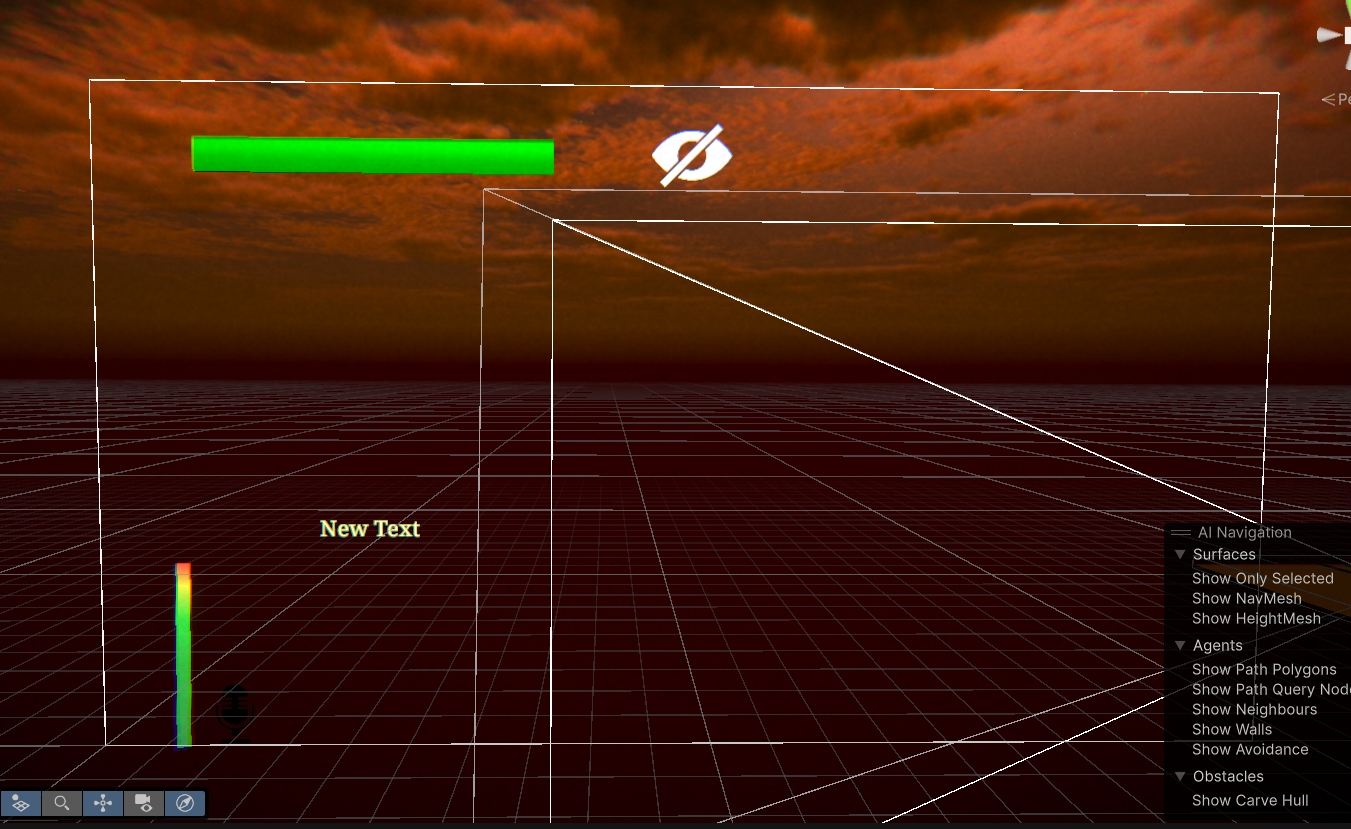
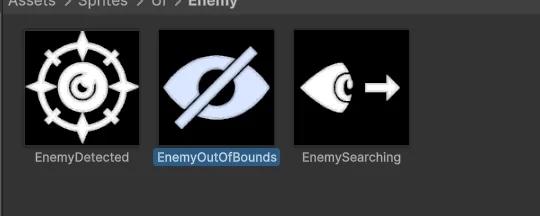
- Three-state Enemy Awareness UI — custom sprites showing Idle/Searching/Detected states, top centre HUD, inspired by The Evil Within
- Dynamic BGM cross-fade — three music tracks (normal / suspense / detected) blend based on enemy proximity and state
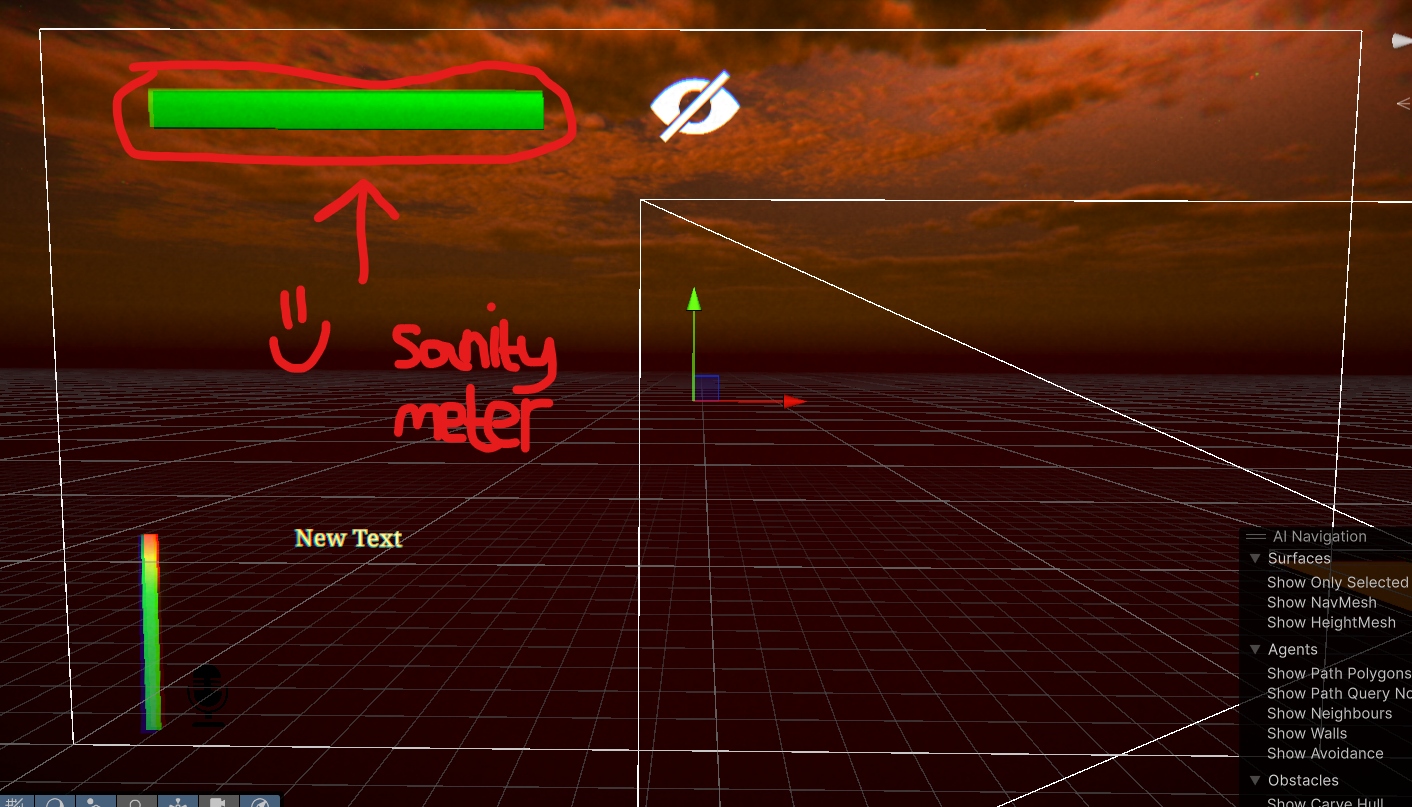
- Sanity system — green health bar drains passively as dread builds, inspired by Phasmophobia
- JSON slot-based save system — world-anchored save points, F5 to open save menu at any time
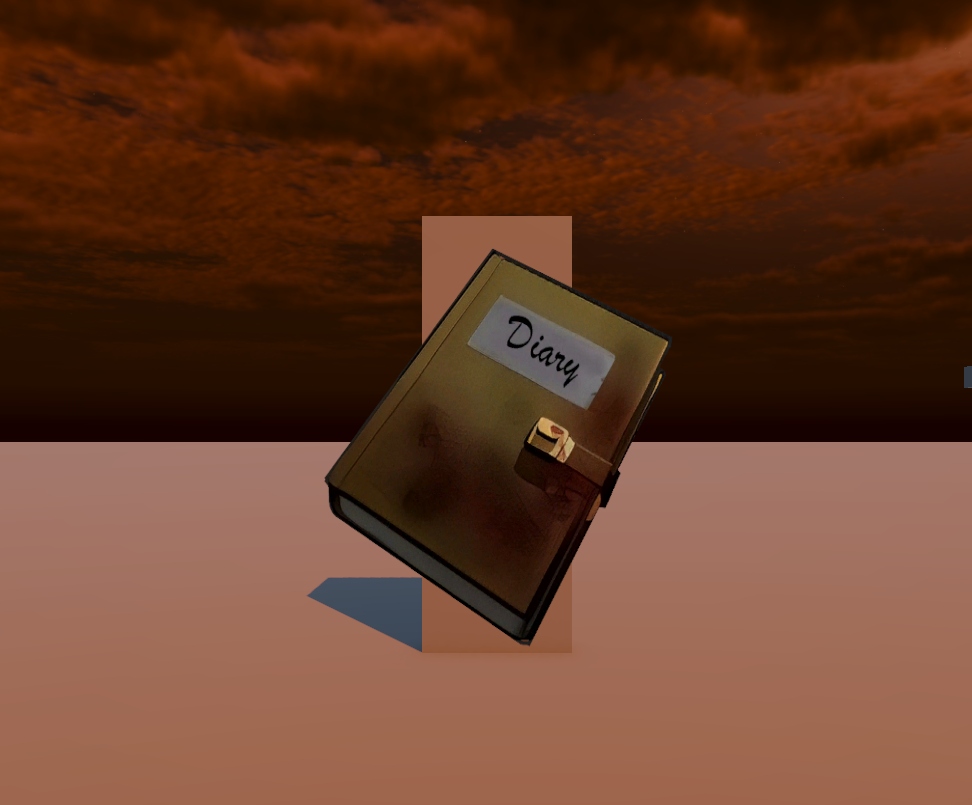
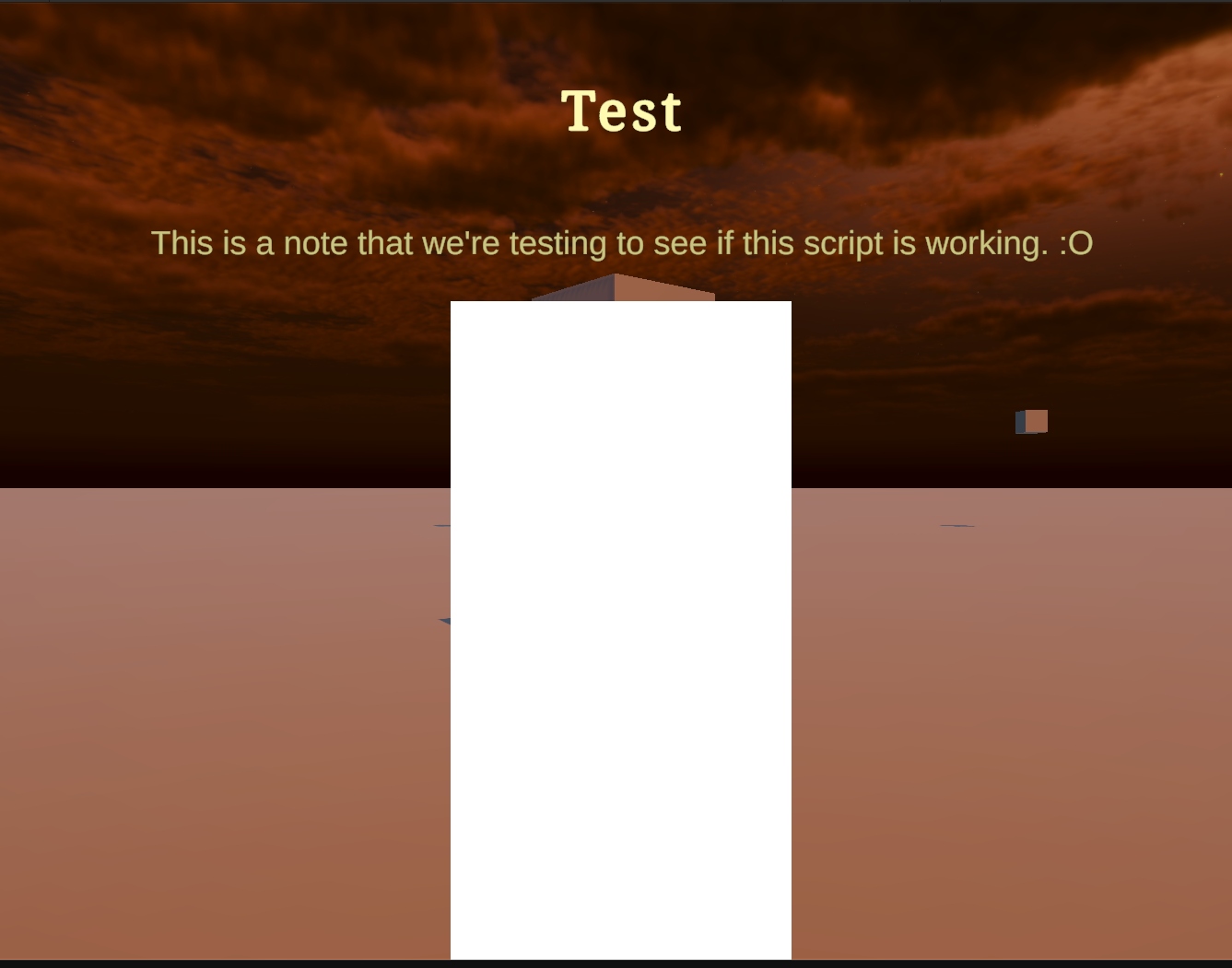
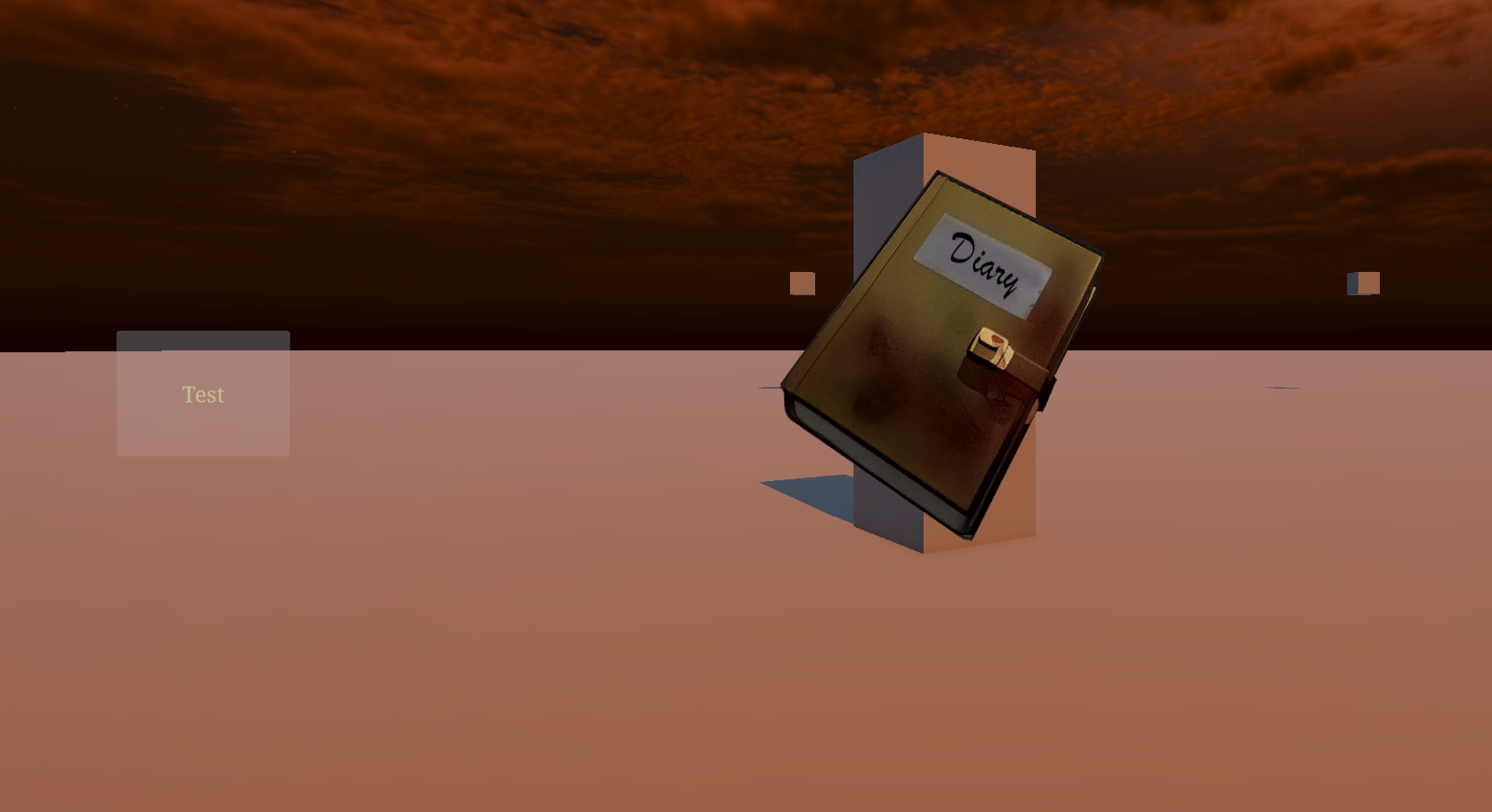
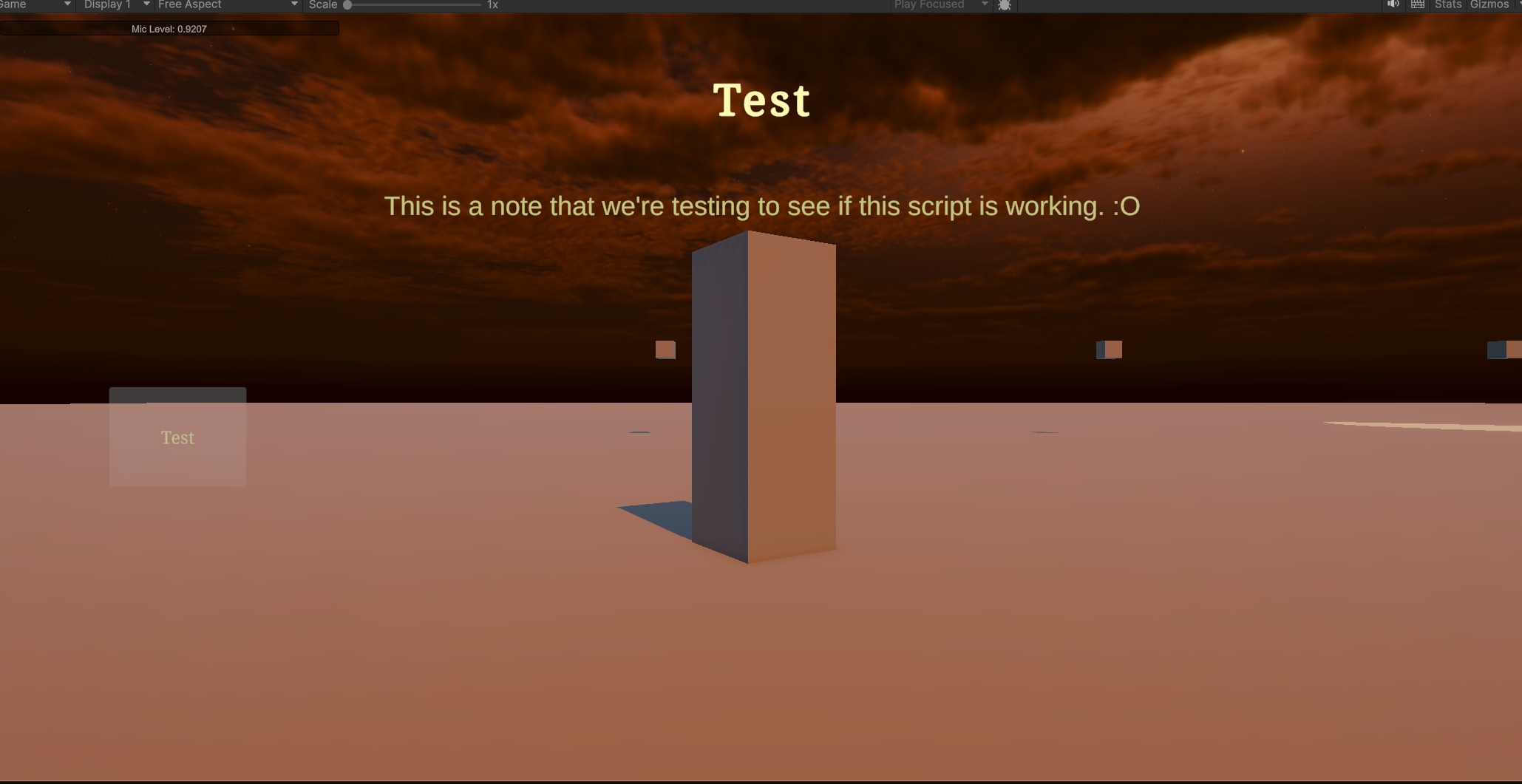
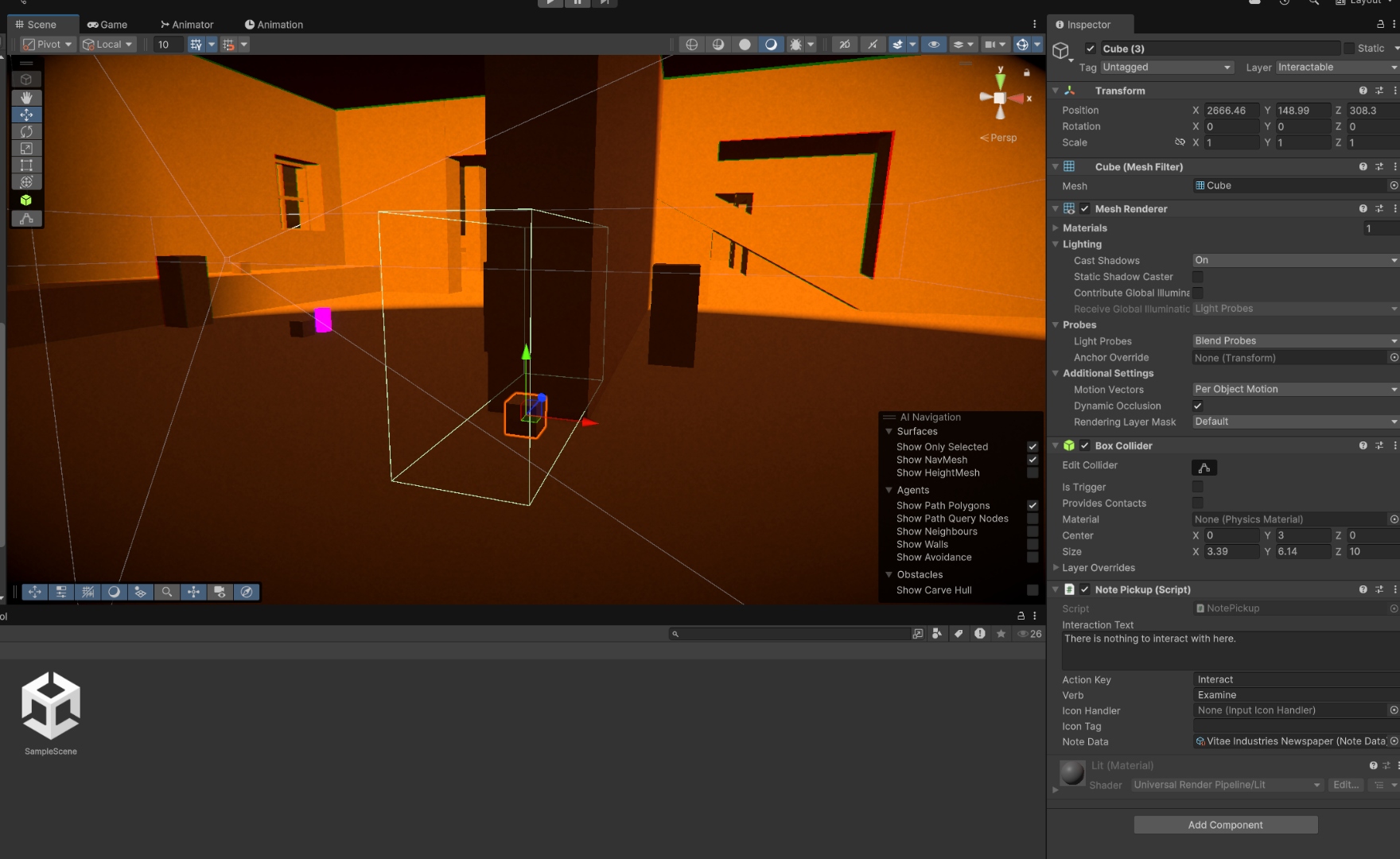
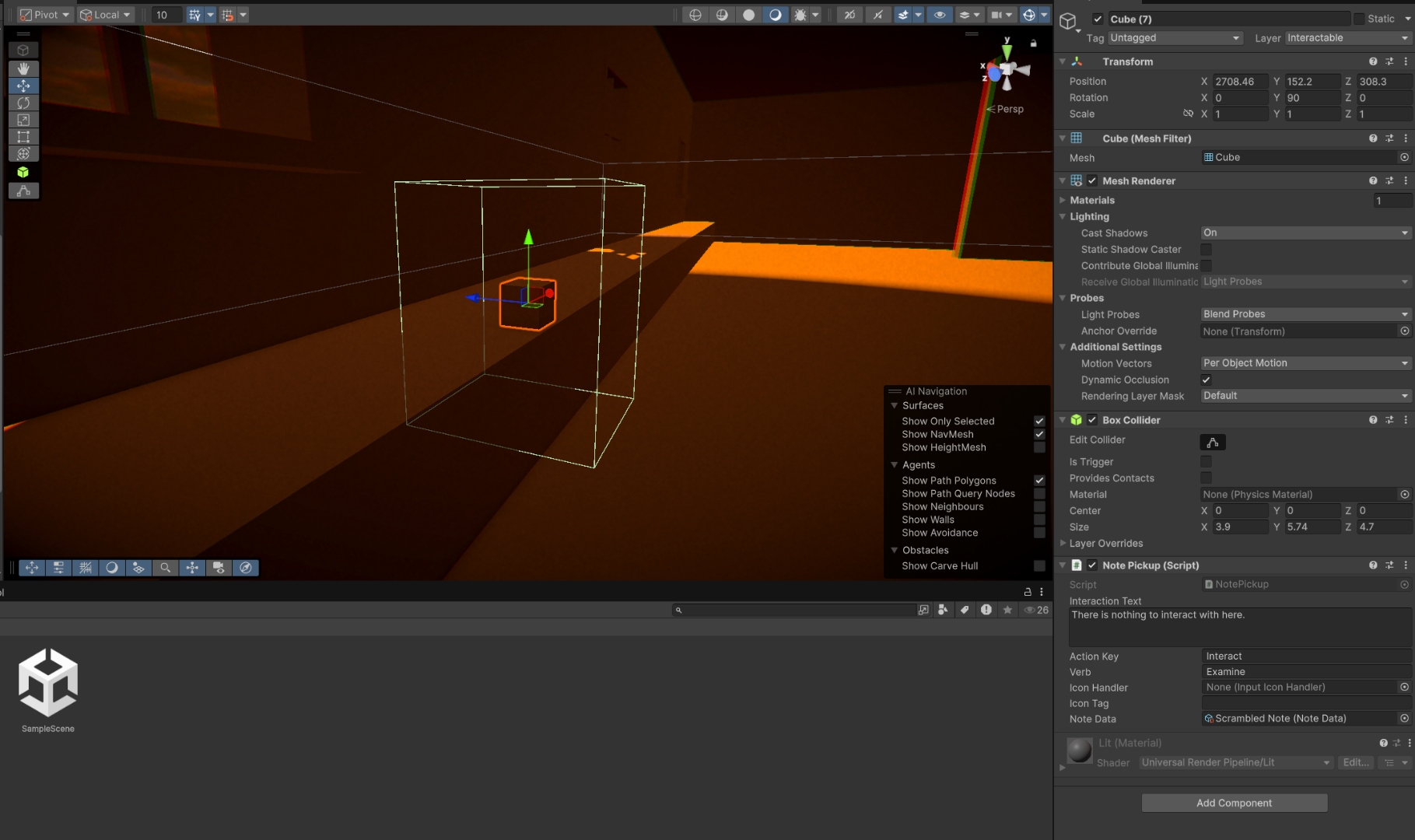
- Lore note system — ScriptableObject-driven notes with typewriter animation, inventory manager, two handcrafted notes in the world
- Hot-swappable input icons — keyboard E / Xbox X / DualSense Triangle switch instantly with no menu required
World & Lore
Fallowmere
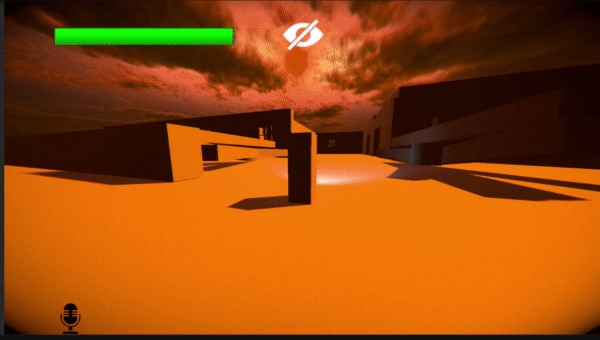
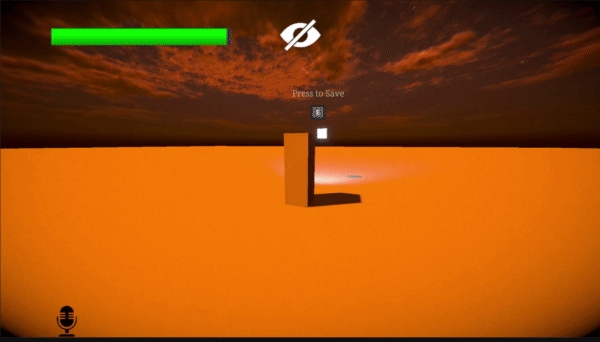
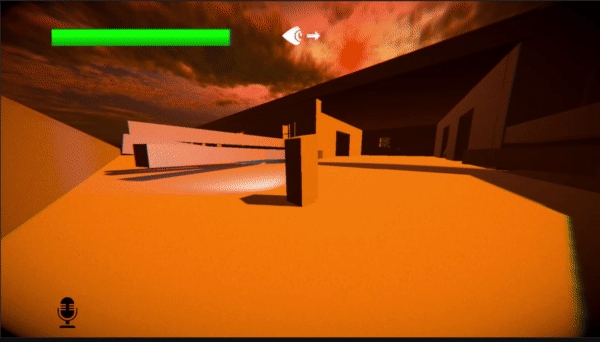
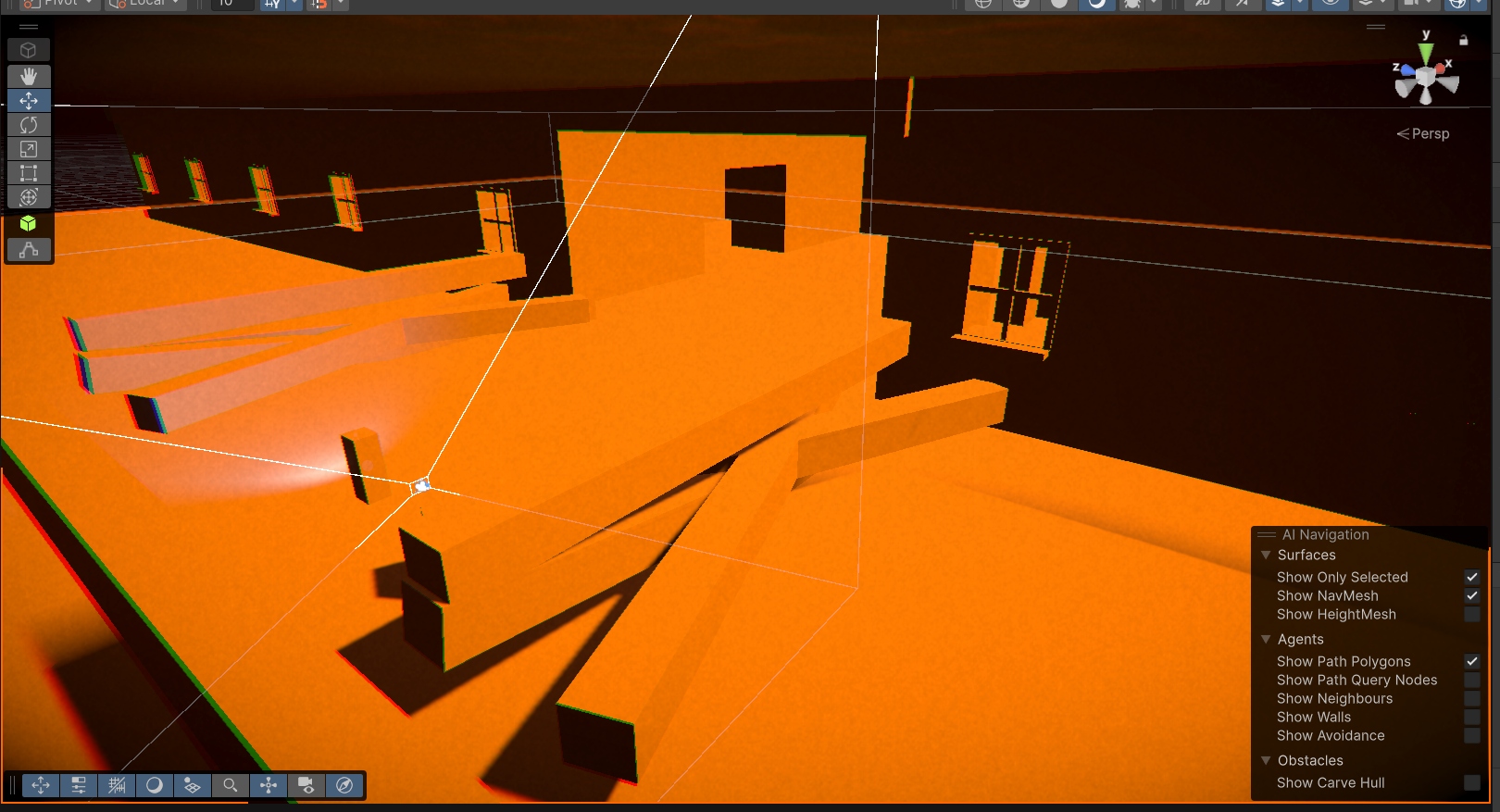
// Fallowmere — quarantined town exterior
Fallowmere is a small town placed under quarantine by Vitae Industries — a biotech corporation whose motivations are never fully stated. Evidence of their presence is written into the environment: barriers, decontamination markings, the hum of authority without any visible agents. The town feels abandoned but not empty.
Beneath the corporate veneer, The Order of Genesis — a cult — has been operating within Fallowmere. Their relationship to the infection, to Vitae Industries, and to the player's own condition is left deliberately ambiguous, communicated only through the two collectable notes and the geometry of the world itself.
The player is infected. They wake in an abandoned building with no explanation. Survival requires navigating the environment without triggering the stalker, solving the puzzles embedded in the space, and — in the final moment — asserting their identity aloud. The voice puzzle is the only moment of character voice in the entire prototype.
The visual language is deliberately abstract. All geometry in the world is untextured — orange-amber sandy ground, dark brown building masses, and a dramatic dark red-orange clouded skybox. No realistic props, no detailed surfaces. The horror lives in shape and shadow.
HUD Design
In-World Interface
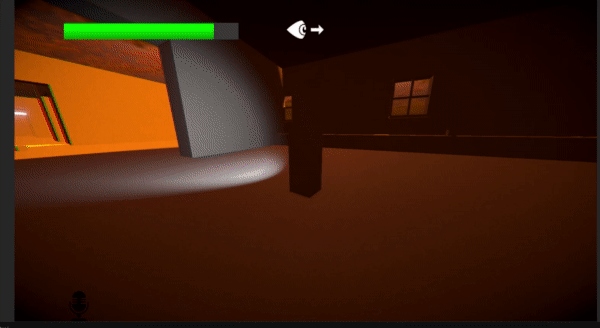
// Sanity meter — annotated HUD breakdown
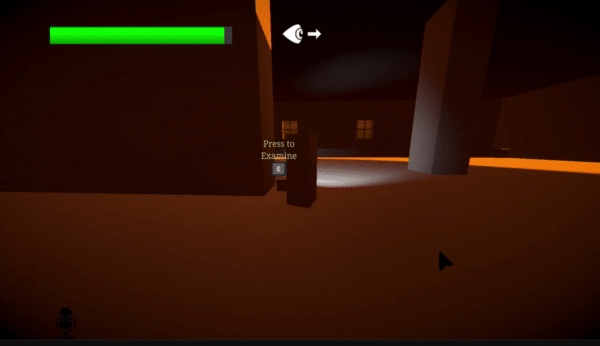
Every HUD element serves gameplay directly. Nothing decorative — each piece of the interface communicates a survival-critical signal.
EnemyAwarenessUI.cs. Inspired by The Evil Within's awareness indicator. States: Out of Bounds (eye/slash), Searching (eye/arrow), Detected (crosshair).PlayerInteraction.cs SphereCast. Icons auto-switch: keyboard E, Xbox X, DualSense Triangle.Puzzle Chain
Keypad → Voice → Exit
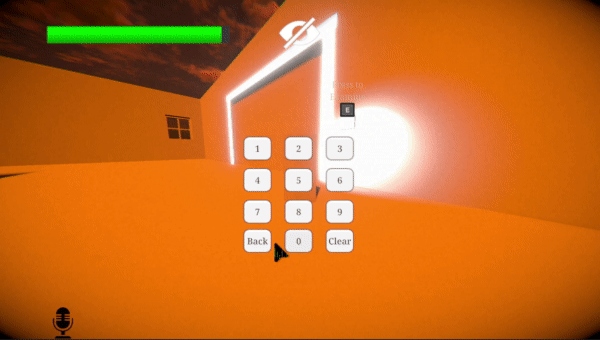
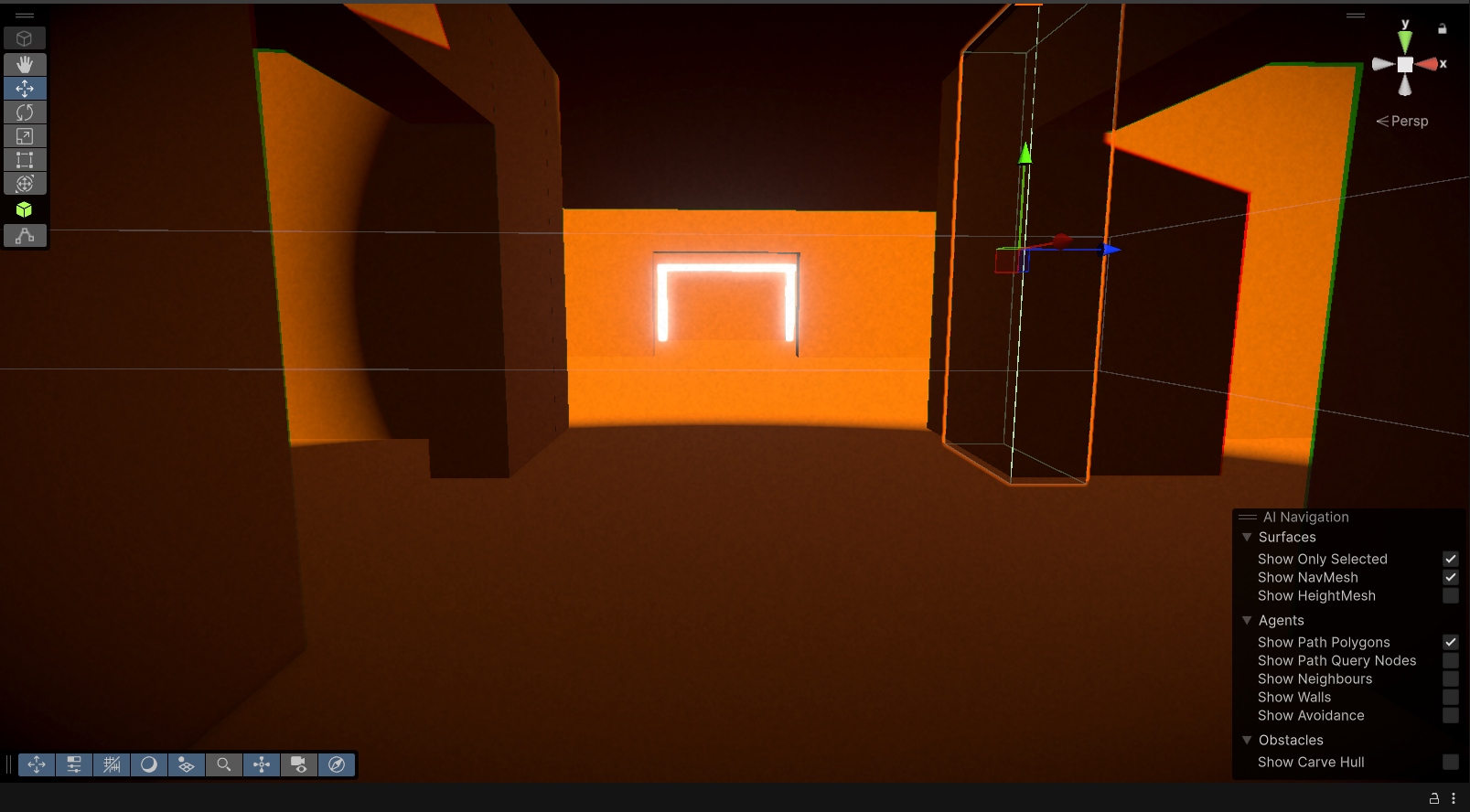
// Keypad puzzle — code entry UI
The prototype's core loop ends in a two-part chained puzzle. Solving the keypad unlocks the voice trigger; the voice trigger unlocks the exit door. Neither step can be skipped.
KeypadTrigger.cs.Vosk runs offline — no API call, no latency spike. Audio is captured at 16000Hz on a background thread via MicrophoneHandler.cs, fed to Vosk's recogniser, and the JSON result is matched using Levenshtein distance in VoicePuzzleTrigger.cs. The fuzzy matching accounts for natural speech variation and ambient noise distortion.
Enemy Design
The Stalker
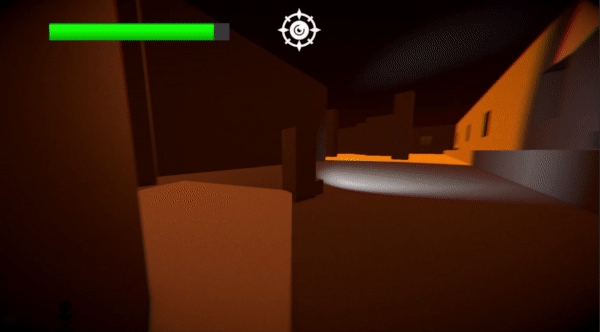
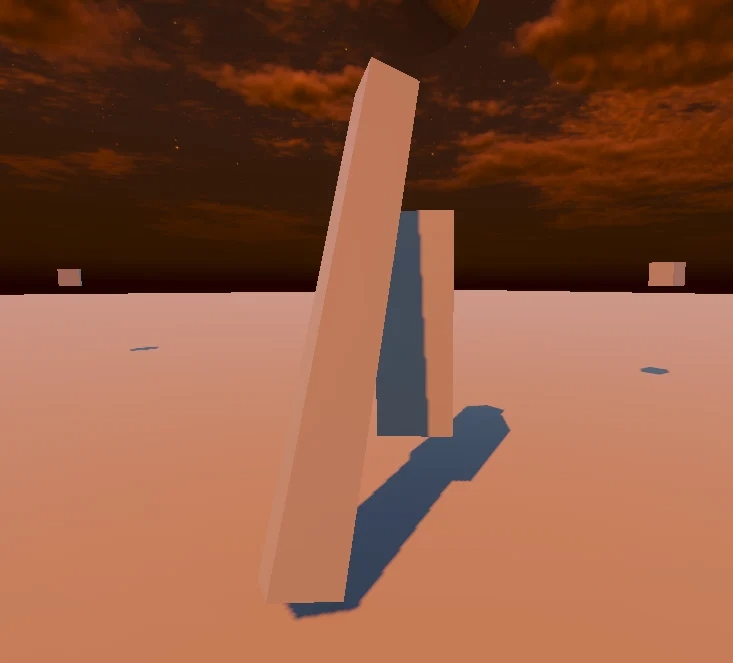
// Stalker — enemy detection triggered
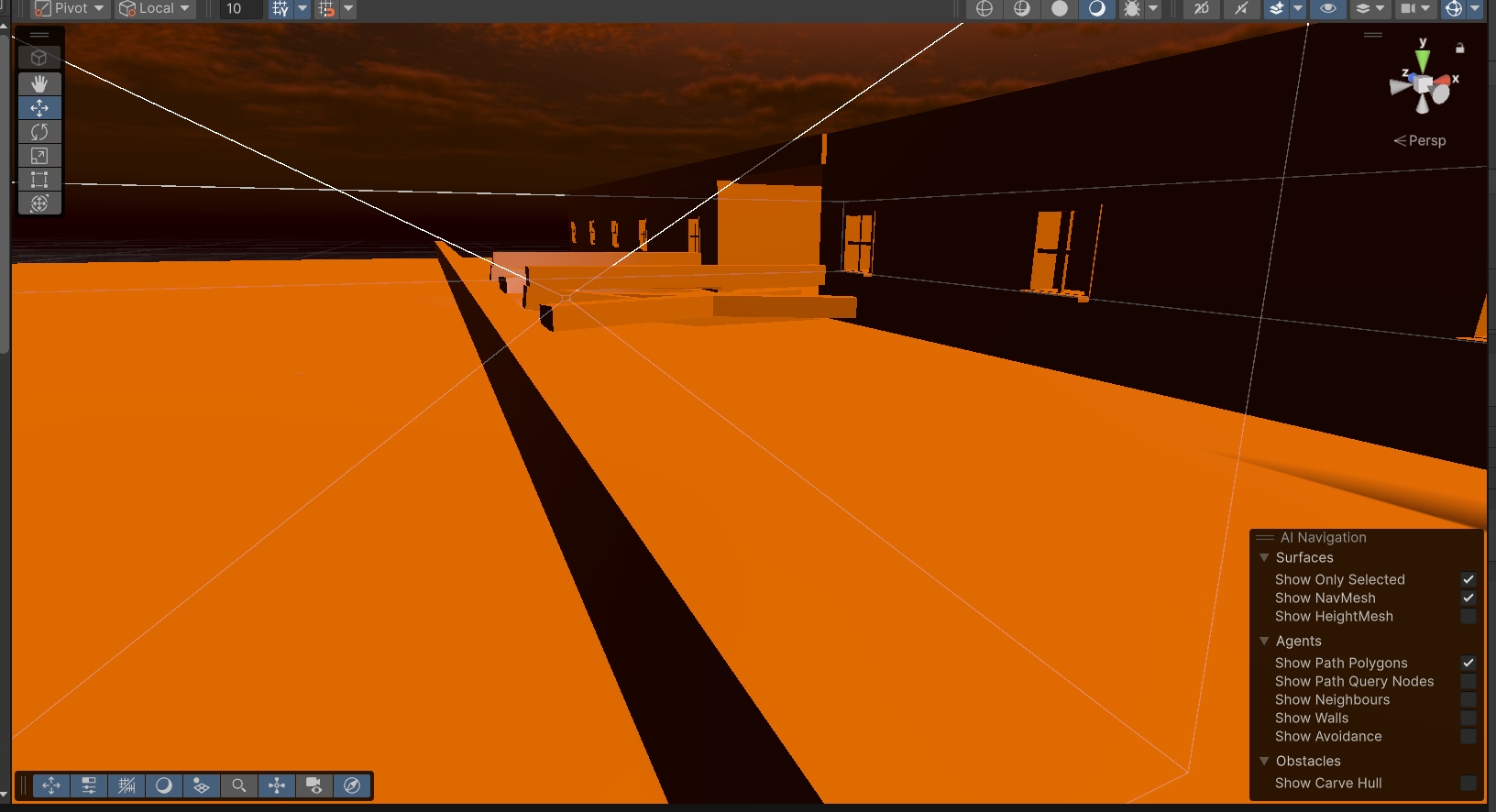
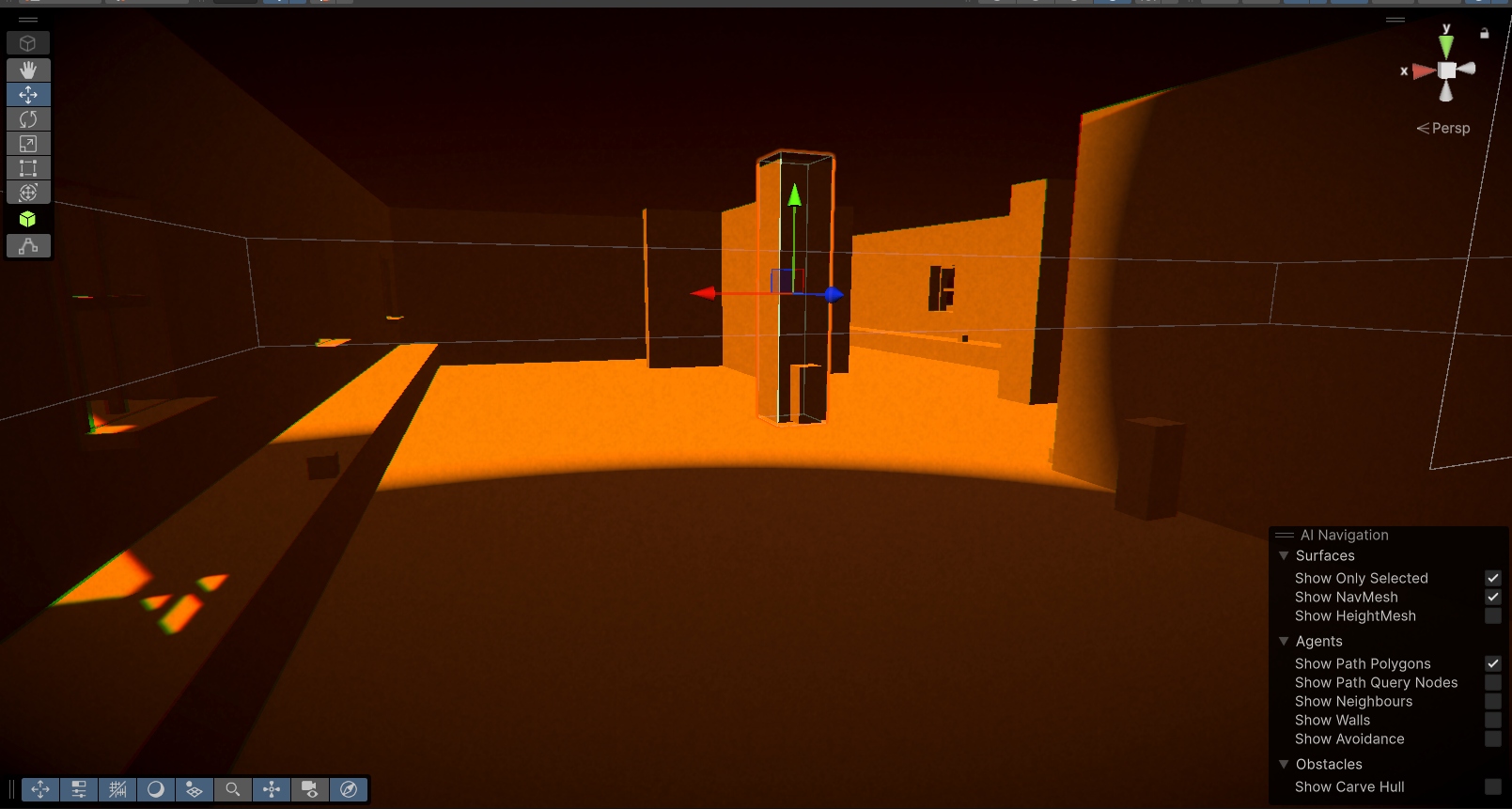
The stalker is the prototype's central threat — an entity that cannot be killed, only evaded. It navigates Fallowmere via Unity's NavMesh and maintains four internal states: Idle, Patrol, Investigate, and Chase. The base logic lives in the abstract EnemyBase.cs; StalkerEnemy.cs extends it with Fallowmere-specific behaviour.
The Field of View renderer uses a procedural mesh — 110° angle, 10m radius, 50 segments — visualising exactly what the enemy can see. Three eye-state icons on the top-centre HUD communicate the stalker's current awareness to the player in real time without breaking immersion.
Navigation Unity NavMesh agent
Hearing Sound events from mic or thrown objects
Threat Cannot be killed — only evaded
Radius 10m detection range
Mesh 50 segments, runtime-generated
Purpose Visual debug + in-world tension
States Out of Bounds / Searching / Detected
Icons Custom sprites per state
Position Top centre HUD
Voice Recognition
Vosk — Offline Speech-to-Text
Integrating Vosk into Unity 6 required threading audio capture on a background thread so it doesn't block the main loop, feeding raw PCM at 16000Hz into the recogniser, and parsing the JSON result for phrase matching. The entire pipeline runs with no internet connection — no API key, no cloud dependency, no latency spike from a round-trip call.
RMS level Drives mic meter UI in real time
Alert radius 40m — mic input above threshold alerts stalker
Thread Background audio capture thread
Matching Levenshtein fuzzy distance
Phrases 4 accepted variants
On match Unlocks exit door
Core Systems
Full Technical Architecture
49 C# scripts were written across the five-sprint development period. The architecture covers every gameplay layer: AI, audio, UI, save/load, input, camera, and post-processing.
Transition Cross-fade based on enemy proximity and state
Effect Music becomes the tension meter
Data Title, content, image, sound per note
UI Typewriter animation on text reveal
Inventory Manager stores collected notes
Trigger World-anchored "Press to Save" interact
Hotkey F5 opens save menu
UI SaveLoadUI.cs handles menu display
Throw Thrown objects alert enemies within 40m
Strategy Core distraction mechanic vs the stalker
Prompts World-anchored UI per interactable
Input icons KB E / Xbox X / DualSense Triangle
Return Smooth ease-back when stopped
Feel Adds weight to player movement
No manual setup per button required
Controllers Xbox + DualSense supported
Shows GameOverUI on death
Freezes Time scale on game over
Tags Context labels for each log type
Purpose Clean console during rapid iteration
Development Timeline
Five Sprints
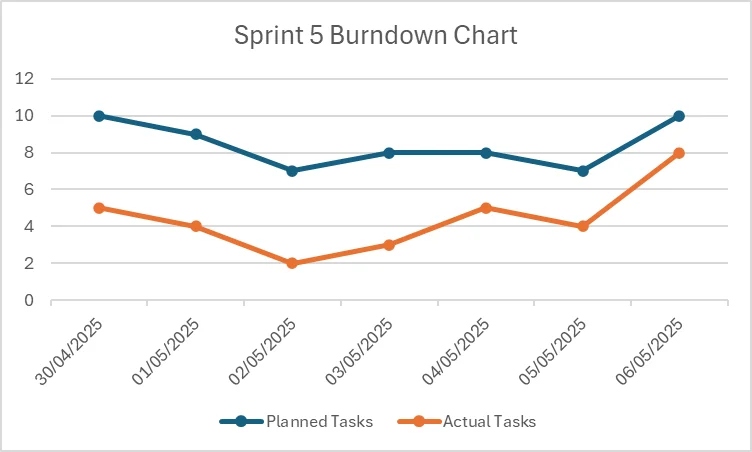
Development ran from 02/04/2025 to 06/05/2025 across five Agile sprints. Sprint 1 was the most chaotic — 28 tasks, the full foundation of every major system. Sprints 2–4 were each cut short by three days. Sprint 5 was the polish and final-feature sprint.
-
SPRINT 102 Apr – 09 Apr 2025Foundation Sprint — 28 TasksThe most chaotic sprint. Established the full base: Vosk offline ASR integration (native libraries, background threading, JSON parsing), player movement (RE2 Tofu movement attempt — funky, but kept), Cinemachine camera, environmental interaction system, floating world-anchored button prompt, initial stalker enemy with NavMesh, inventory and note viewer, DualSense lightbar feedback, and AudioManager with cross-fade BGM.
-
SPRINT 2~10 Apr – 15 Apr 2025Save System & Camera PolishJSON slot-based save and load system, world-anchored save point interactions, camera bobbing, general bug fixing from Sprint 1 backlog.Cut short
-
SPRINT 316 Apr – 22 Apr 2025Pickable Objects & UI PolishPickable and throwable object system — picked up objects can be thrown to distract the stalker within 40m. Raycast fix for interaction detection, general UI polish pass.Cut short
-
SPRINT 423 Apr – 29 Apr 2025Enemy Awareness UI, Keypad, Level CompleteEnemy Awareness UI system built (inspired by The Evil Within). Keypad puzzle implemented — code 9179, time freeze, controller + keyboard support. Speech recognition tuning with Levenshtein fuzzy matching added. Level blockout completed. Puzzle chain wired: keypad solve → voice trigger activates.Cut short
-
SPRINT 530 Apr – 06 May 2025Sanity System, Mic Meter, Lore, Final PolishSanity system built (Phasmophobia-inspired — green bar draining as dread builds). Microphone volume meter UI added to HUD. Lore notes written and placed in world ("Vitae Industries Newspaper", "Scrambled Note"). Pause menu with mic device switching in options. Post-processing effects added (not assessed). Final build polish.
Development Videos
Prototype in Motion
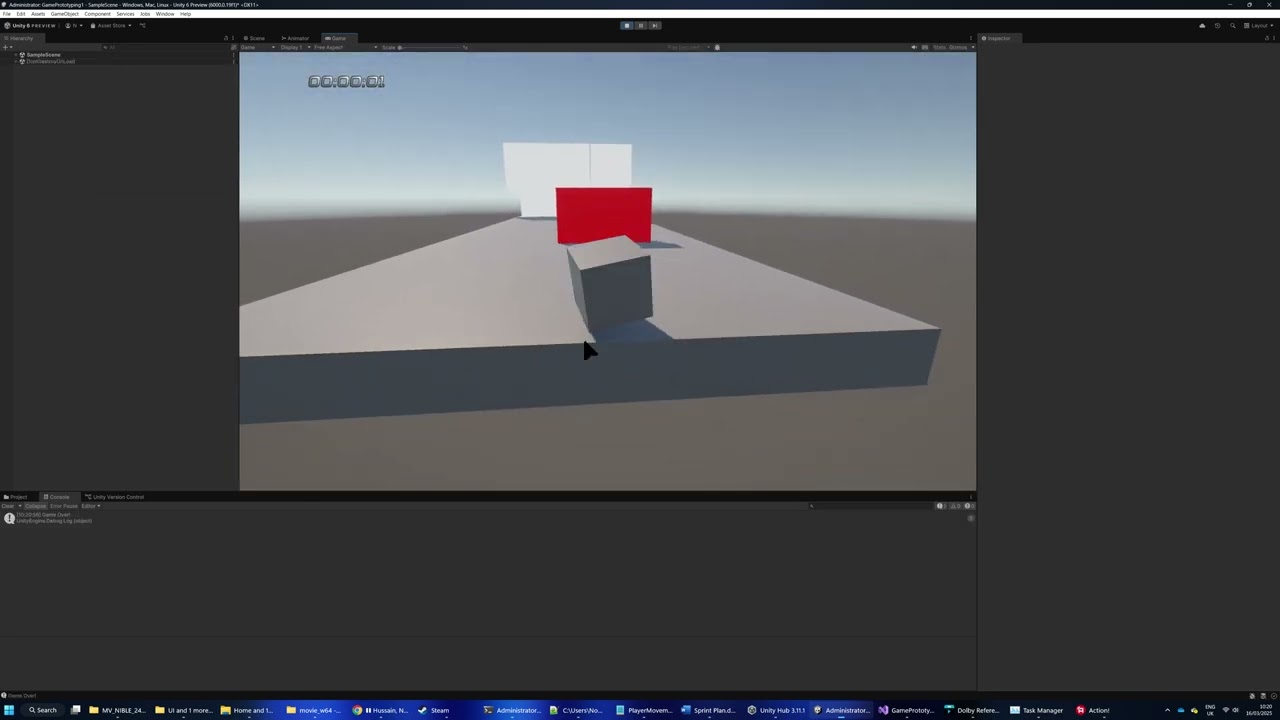
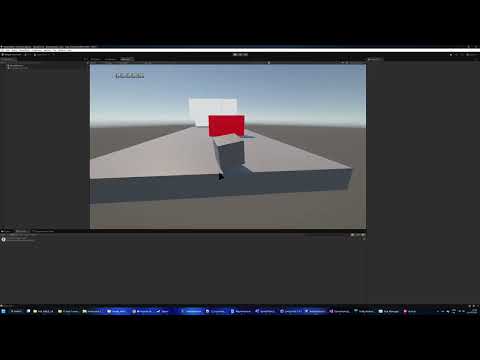
Development progress was recorded as unlisted YouTube videos throughout the sprint period. The main gameplay video was submitted to the GDEV40010 Digital Academy Forum alongside a deep development diary forum post.

Challenges & Reflection
What Was Cut & What Was Learned
- Crouch / Stealth — Unity's collision runtime rotation caused the player to fall through the floor when crouching. Abandoned entirely. The player movement was already intentionally "funky" (an RE2 Tofu movement attempt that failed but was kept as-is) — adding crouch on top was unreliable.
- Checkpoint System — Scope was pivoted toward the save system instead. Full checkpoints were descoped before they were built.
- Mechanic Design Diagrams — Planned documentation aids that were never completed due to time.
Environmental storytelling is harder than it looks. Removing all textual narrative forces every prop placement, lighting angle, and audio cue to carry communicative weight. Fallowmere's quarantine premise gives a clear visual language — but executing it convincingly in five weeks required sharp prioritisation.
Vosk in Unity 6 is non-trivial. Native libraries, background threading, PCM capture, JSON parsing, and Levenshtein fuzzy matching — none of it is out-of-the-box. The payoff is an interaction type that a button press cannot replicate. Worth every hour.
The microphone as threat vector was the best design decision. Making the player's own real-world sounds dangerous inverts the standard horror formula. Instead of the game generating fear, the player generates it themselves. Every cough, every accidental word, every ambient noise in the room is a risk.
Sprints 2–4 being cut short hurt scope. Three successive cut sprints reduced the time available for polish and additional content. The lesson: front-load the riskiest technical work (Vosk integration was in Sprint 1 for this reason). When time is cut, polish suffers first, not functionality.